


When a parent learns that their teenager has been accused of a serious sexual crime, the shock, fear, and guilt can be overwhelming. For many families, it starts with what seems like a typical teenage relationship — for example, an older boy and his younger girlfriend — only to spiral into devastating legal consequences.
Suddenly, a teenager who had plans for college, sports, or a career is facing accusations that could alter the course of their entire future. Parents often ask whether Washington has a “Romeo and Juliet law” that protects young couples in close-in-age relationships, only to discover how unforgiving the system can truly be.
Washington law is clear, though: anyone under 16 cannot consent to sexual activity. This means that, depending on the facts of the case, a 17-year-old, for example, could potentially face Rape of a Child charges, regardless of consent.
Unlike states with "Romeo and Juliet laws," Washington takes a different approach. The state incorporates age-based defenses within its statutory rape statutes that protect teens from felony charges when both parties are close in age. As experienced criminal defense attorneys who specialize in such cases, we’ll explain how these laws work and what they mean for your situation.
Washington's Age-Based Defenses
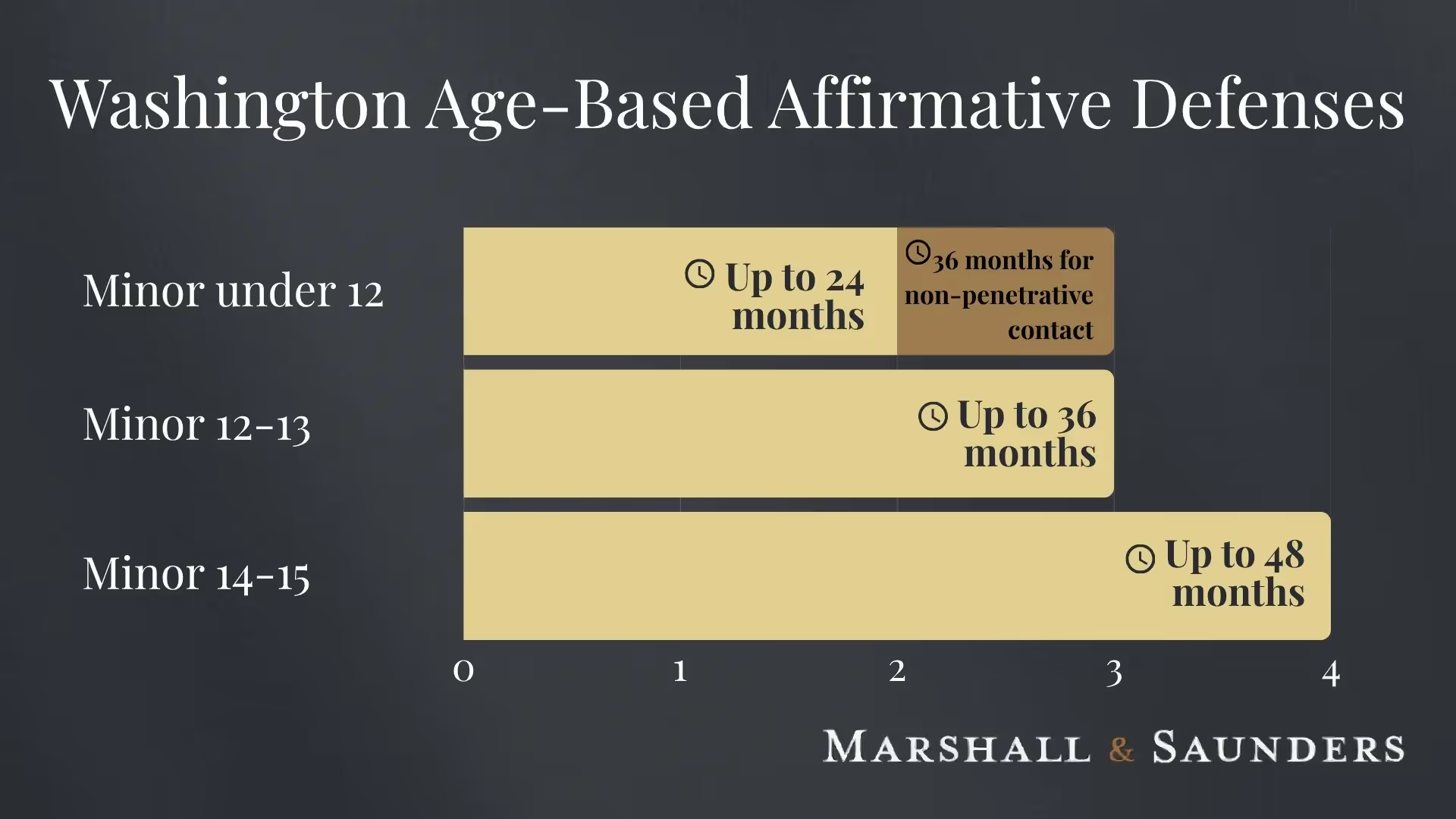
Unlike Romeo and Juliet laws found in other states, Washington's approach involves specific defenses built into the statutory rape laws themselves. According to RCW 9A.44.030 and related statutes, Washington's statutory rape laws include affirmative defenses based on the age difference between the accused teenager and the younger teenager. These defenses apply to consensual sexual activity between:
- A minor younger than 12 and another minor who is not more than two years older (or three years older if the sexual contact does not involve penetration).
- A minor who is 12 or 13 and another minor who is not more than three years older, as provided under RCW 9A.44.030.
- A minor who is 14 or 15 and someone who is not more than four years older than that minor.
These provisions mean that certain age-gap relationships will not, per se, result in criminal prosecution, but understanding the specific age differences and circumstances is crucial for anyone facing related accusations.
Previously, Washington had one additional exception to this rule: if the minors were married, as the state once allowed marriages involving minors under certain circumstances. However, this changed in 2024. According to RCW 26.04.010, marriage is now a civil contract between two persons who have each attained the age of 18 years. Any marriage entered into in which either person has not attained the age of 18 years is void. This legislation eliminated the marital exemption that once existed for minors under 16, closing what had been the last remaining exception to the state's age of consent laws.
Sexting Laws in Washington: What Teens and Parents Should Know
Ironically, at one point, the same 15-year-old and 17-year-old who can legally have consensual sex with each other could have been charged with a felony in Washington if they exchanged nude photos of themselves. Child pornography is generally any sexual image of a person under 18, and because there is currently no exemption for young people who are close in age to one another, possible charges could include disseminating, viewing, or possessing child pornography, all of which are felonies and require registration as a sex offender.
Washington lawmakers eventually recognized the absurdity in the state's child pornography laws' failure to distinguish between teenage sexting and adult exploitation. In April 2019, the Responsible Teen Communications Act was signed into law, creating a more proportionate framework for handling consensual teen image sharing.
The language of the bill notes that because “the exchange of intimate images by minors is increasingly common, and […] such actions may lead to harm and long-term consequences,” the intent is “to develop age-appropriate prevention and interventions to prevent harm and to hold accountable youth who harm others through exchange of intimate images.”
While the Responsible Teen Communications Act significantly reduced felony exposure for consensual teen sexting, certain fact patterns could still result in felony charges under RCW 9.68A.090 (Communication with a Minor for Immoral Purposes), depending on intent and circumstances.
All changes took effect on July 28, 2019, pursuant to the Responsible Teen Communications Act; however, significant legal risks still remain for young people who exchange intimate digital content.
Legal Defense Strategies for Statutory Rape Cases
If you're facing statutory rape charges in Washington, several potential defenses may apply to your case:
Age-Based Defenses
These defenses focus on whether the age-based provisions in Washington's statutory rape laws apply to your specific situation. Attorneys carefully analyze birth dates, the exact ages at the time of the alleged incident, and whether the age difference falls within Washington's statutory age-of-consent protections. Even small discrepancies in age calculations can mean the difference between facing felony charges and not being charged at all.
Consent-Related Defenses
Because Washington’s statutory rape and child molestation laws are strict liability offenses regarding age, a minor’s willingness or apparent consent is generally not a legal defense. However, the specific conduct alleged, the presence or absence of coercion, and factual disputes about what occurred may affect what charge is filed, what elements the prosecution must prove, or whether a case resolves through negotiation.
Procedural and Constitutional Defenses
Law enforcement must follow strict protocols when investigating sexual offense cases involving minors. Attorneys examine whether proper procedures were followed during questioning, evidence collection, and arrest. Constitutional violations, improper interrogation techniques, or failures to read Miranda rights can result in evidence being excluded from your case.
Don't Face These Charges Alone
If you or your child is facing criminal charges related to consensual sexual activity between minors, Marshall & Saunders is here to help. Our experienced, skilled defense attorneys are here to discuss the matter with you. Please contact us to schedule a consultation.


Joshua R. Saunders brings over 15 years of criminal defense experience to the Marshall Defense Firm. His innovative approach, informed by his background in social anthropology and bail reform advocacy, combines legal acumen with a deep commitment to justice and client communication.
Schedule a confidential consultation with our experienced attorneys today.